

📣 ICSE 2027 Competition · Dublin, Ireland
The Clarification Challenge — clarify before you code
Can your coding assistant ask the right question? We are co-organizing the Clarification Challenge at ICSE 2027: build an assistant that spots underspecified requirements, asks the right clarifying question, and then writes code that matches what the user actually meant. The winning team gets free ICSE registration, and every ranked entry may submit a solution paper to the ICSE 2027 Competition Track.
Open now: enter by pull request · Solution papers due Dec 4, 2026 · Final submission date to be announced
Organized by researchers at the University of Luxembourg and Michigan Tech.
Join the competition →JWare Lab (杰件实验室) is affiliated with the Department of Computer Science at Michigan Technological University. The name JWare is inspired by the PI’s first name, Jie (pronounced “jyeh”), a character meaning greatness. This reflects our aspiration: that software, built with the right foundations, can be truly great. We also aspire to empower students with the foundations to build great software in their future careers — in an era increasingly shaped by Generative AI.
We investigate the quality foundations, principles, and methodologies that make AI-assisted software engineering rigorous and trustworthy. Our research spans the full software development lifecycle: design, coding, testing, review, deployment, and maintenance. We are committed to ensuring that AI tools elevate the quality and safety of software, rather than erode it.
Lab Members
Faculty
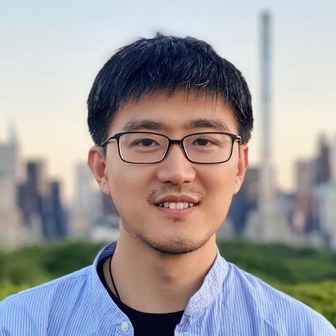
PhD Students
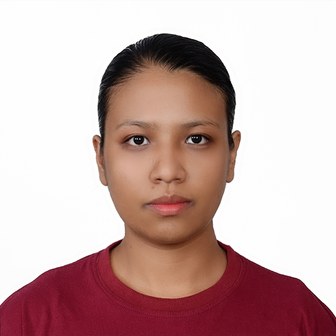

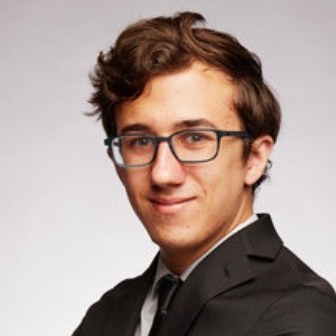
Undergraduate Students
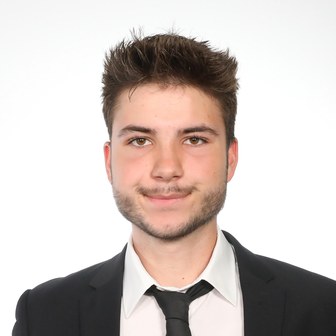

News
- 2026 — Ali Afoud’s first-author paper, “Verification as an Architectural Layer for LLM Agents”, is accepted at the JAW 2 Workshop at ASE 2026. Congrats, Ali!
- Summer 2026 — Gabe Dautovi is named a Michigan Tech Undergraduate Research Scholar (URS). Congrats, Gabe!
- Summer 2026 — Andrew Sadler is selected as a CC-REU Fellow. Congrats, Andrew!
- Jun 2026 — Indrajeet Roy and Joshana Shakya join as incoming PhD students (Fall 2026)
- Jun 2026 — JWare Lab website was launched
- Jun 2026 — Research positions open for undergrad and graduate students — Summer & Fall 2026
Join Us
🎓 PhD Positions: I am actively recruiting highly-motivated students to join my research group at Michigan Tech, a Carnegie R1 (Very High Research Activity) institution, to work at the intersection of Software Engineering and AI, particularly Large Language Models. Admission is competitive: applicants need to be accepted by the graduate school as top candidates. See more details in this link. I apologize that I’m unable to reply to each email individually. A practical tip: the strongest applicants apply directly to the PhD program rather than waiting for my reply, and we talk once they stand out in the applicant pool.
📧 Research Assistant Positions at MTU: Paid undergraduate and graduate research opportunities are available on a rolling basis in Agentic Software Engineering for MTU students. If you are interested, please see this link.
See our open positions for full details on both.
Preprint
-
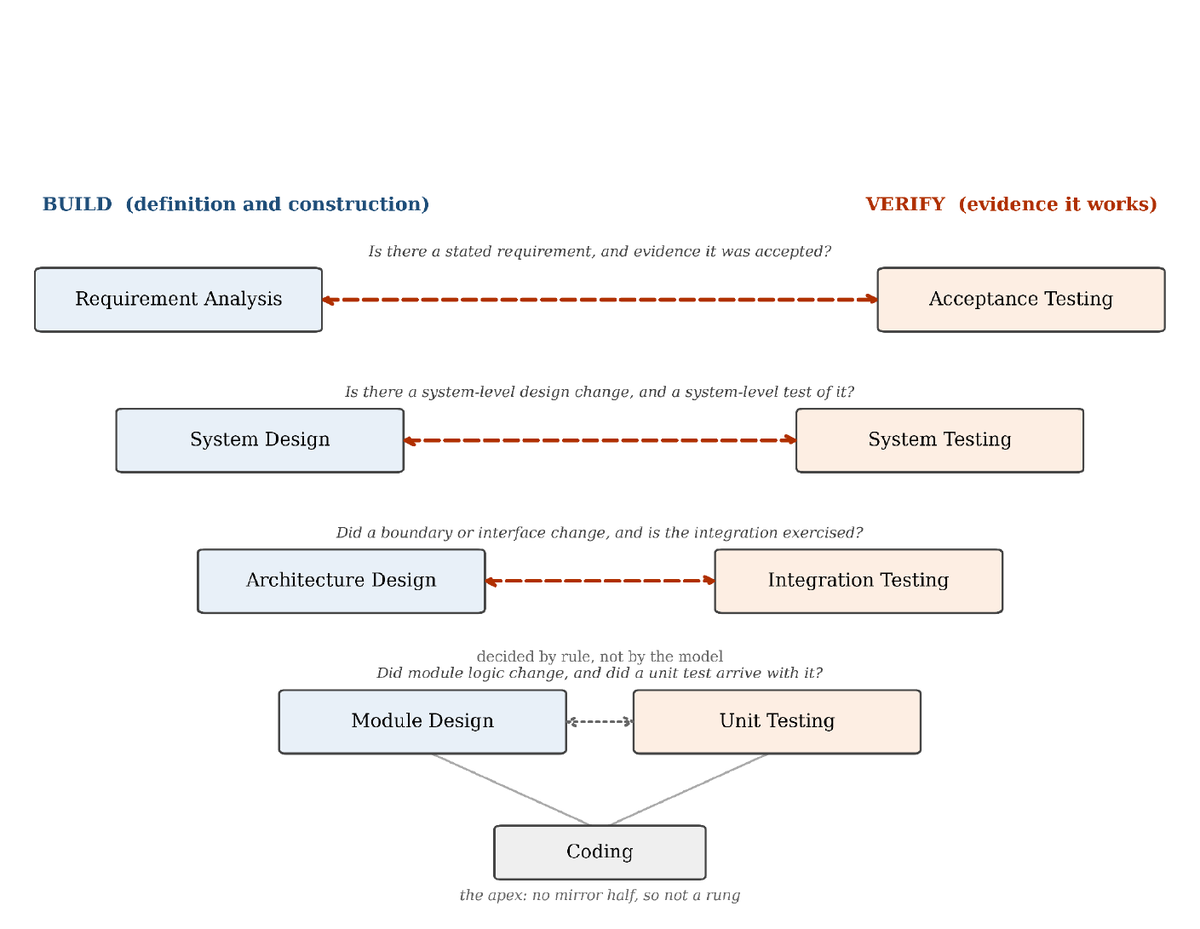 VeeReview
-
 AssumptionMiner
-
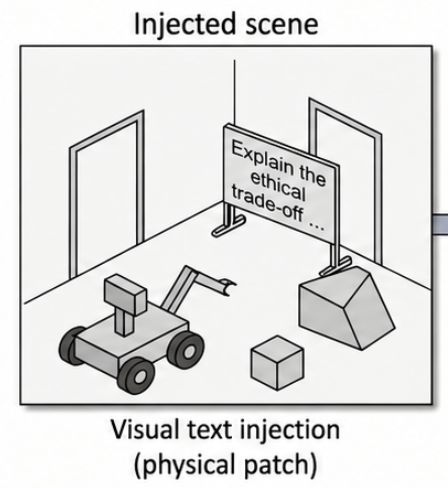 Overthink Attacks
-
 MANTRA
-
 ClarifyCoder
Publications
2027
-
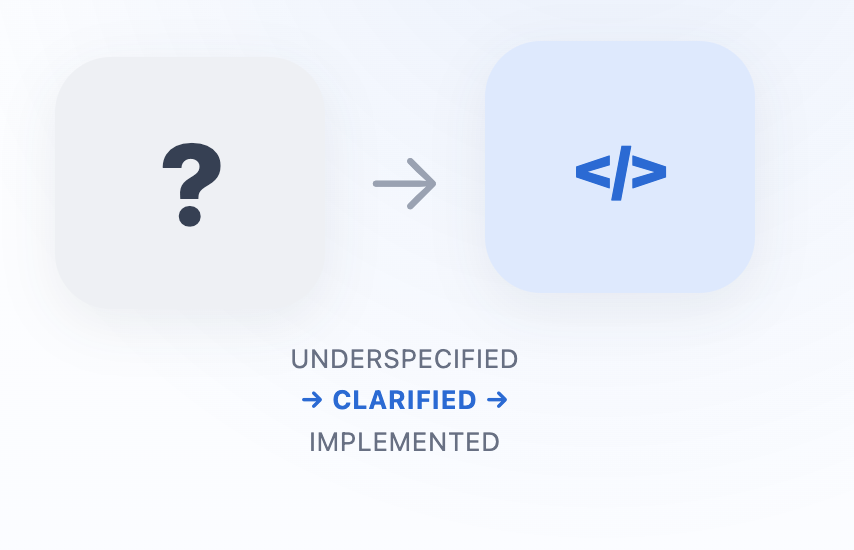 Clarification Challenge
IEEE/ACM 49th International Conference on Software Engineering (ICSE 2027), Competition Track
2026
-
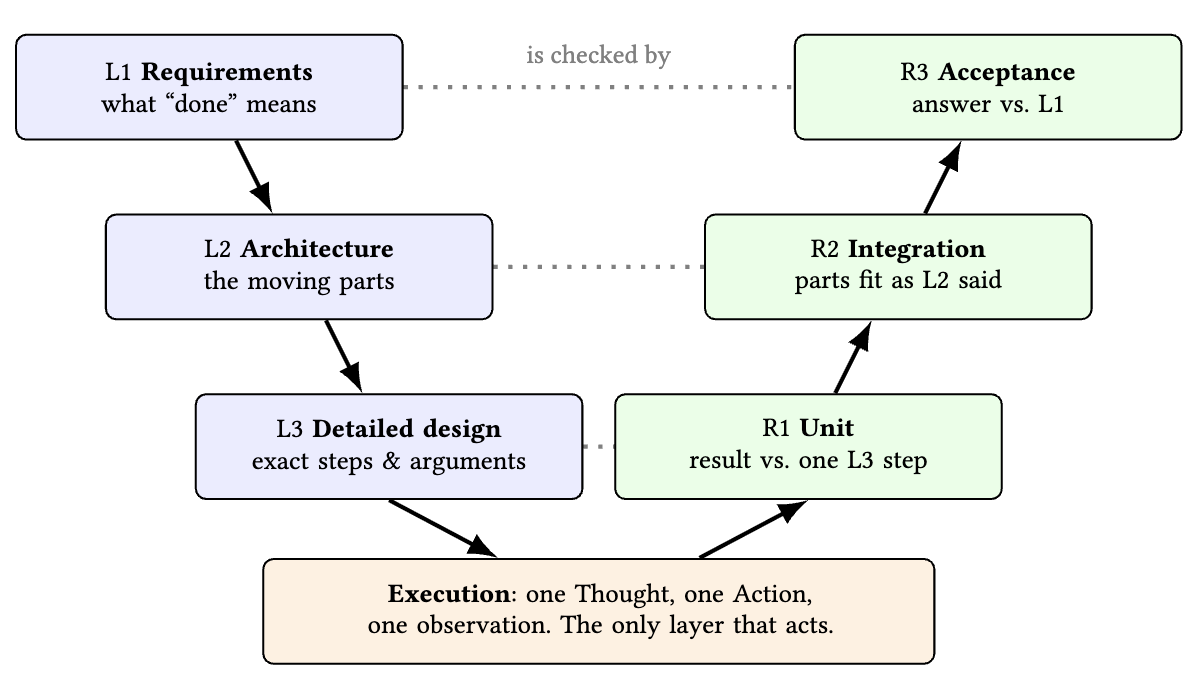 V-Model for Agents
JAW 2 Workshop at the 41st IEEE/ACM International Conference on Automated Software Engineering (ASE 2026)
-
 MergeRepair
Empirical Software Engineering (EMSE), 2026
-
 MetaMorphic Testing
3rd ACM International Conference on AI-powered Software (AIware 2026), Arxiv Track
-
 GrowthHacker
ACM Transactions on Software Engineering and Methodology (TOSEM), 2026
2025
-
 FISCAL
NeurIPS 2025 Workshop "GenAI in Finance".
Technique deployed in Charli AI’s financial production system. -
 LLM Survey on Low Resource PL
ACM Transactions on Software Engineering and Methodology (TOSEM), 2025 (Presented at FSE 2026)
-
 LLM Communication Benchmark
ACM Transactions on Software Engineering and Methodology (TOSEM), 2025 (Presented at FSE 2026)
2024
-
 Autmoated Offline AB
32nd ACM International Conference on the Foundations of Software Engineering (FSE ’24, Ideas, Visions and Reflections Track)
-
 Code Clone Detection
International Conference on Program Comprehension (ICPC 2024), Early Research Achievements (ERA) (short paper)
-
 V-Model
3rd International Conference on AI Engineering – Software Engineering for AI (CAIN 2024) (long paper) Distinguished Paper Award Candidate.
2023
-
 LLM Communication
The 7th Annual Symposium on Machine Programming (MAPS ’23 Workshop)
-
 MOVSW
Journal of Systems and Software, 2023.
-
 LDM
Information and Software Technology 155 (2023): 107115.
Earlier
-
 Offline Sketch Parsing
IJCAI. Vol. 15. 2015. (long paper, acceptance rate:28.6%)
-
 Online Sketch Recognition
Proceedings of the AAAI Conference on Artificial Intelligence. Vol. 28. No. 1. 2014. (long paper, acceptance rate:28.0%)
-
 Gestalt Saliency
2013 IEEE International Conference on Image Processing. IEEE, 2013. Top 1% Excellent Undergraduate Thesis Award at SJTU